
400-9920-618
The "Digital ID" of Steel-Hauling Giants: How a Major Steel Plant Uses RFID Handheld Terminals for Precise Railcar Scheduling
In the daily operations of a steel plant, rail transport plays the pivotal role in moving bulk raw materials—such as iron ore and coal—into the facility and shipping out finished steel products. Hundreds of railcars shuttle through the plant grounds every day. However, traditional methods—such as manual recording of car numbers or relying solely on "blind scheduling" from the locomotive—often lead to information lag, misallocation, or even production stoppages when faced with the harsh steel plant environment characterized by high temperatures, heavy dust, and continuous 24-hour operations.
Recently, a major domestic steel group partnered with Handheld-Wireless to implement a comprehensive digital upgrade of its on-site rail logistics system, successfully connecting the "data capillaries" across the entire operational chain.
Here are the five key highlights and practical insights from the project's successful implementation:
1. RFID Tagging for Railcars: Establishing a Unique Electronic "ID"
Traditional painted railcar numbers are highly susceptible to becoming illegible due to intense heat radiation from red-hot steel billets, accumulation of ore dust, and erosion from wind and rain.
Solution: The project team installed industrial-grade, high-temperature-resistant, and anti-metal RFID tags on the exteriors of thousands of the plant's own railcars and frequently used transfer cars.
Outcome: Each tag contains a chip encoded with a unique identity code linked to essential data such as the car model, tare weight, and load capacity. Consequently, every railcar now possesses a tamper-proof, highly weather-resistant digital "ID."
2. Automated Railcar Identification: Precise Control of the Transport Chain
With large numbers of raw material railcars entering the plant daily, the logistics department faces a major challenge: how to quickly inventory, verify, and assign them to specific tracks.
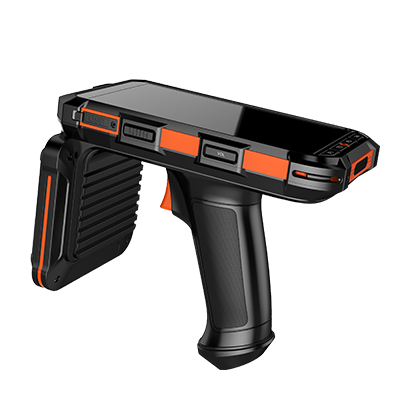
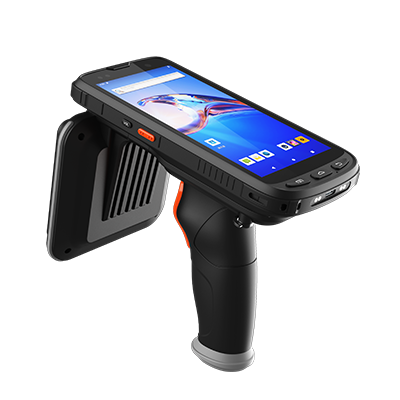
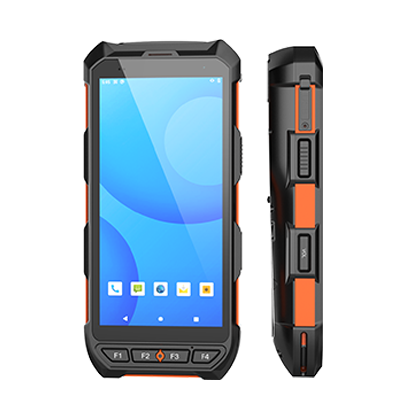
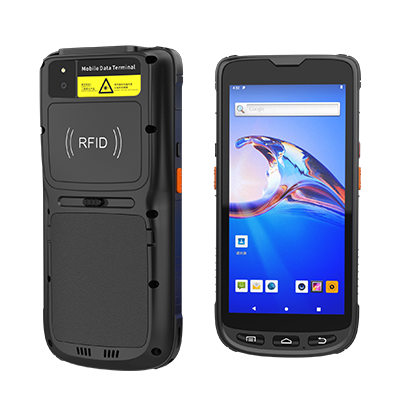
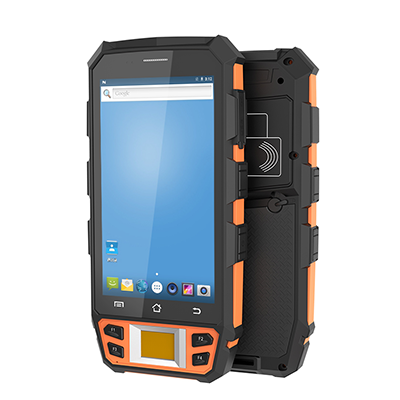
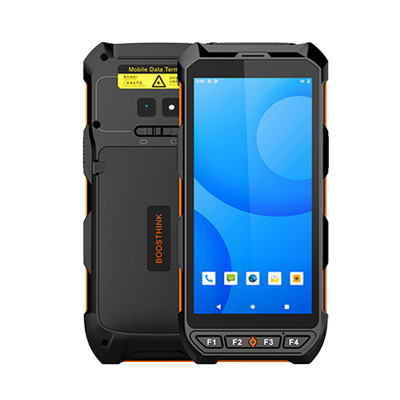
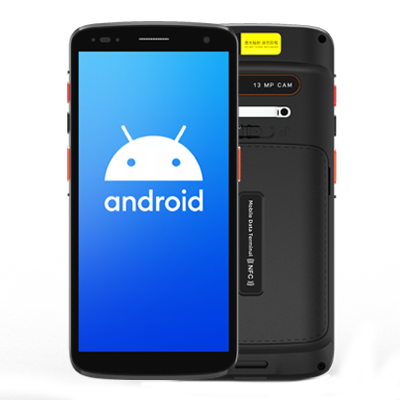
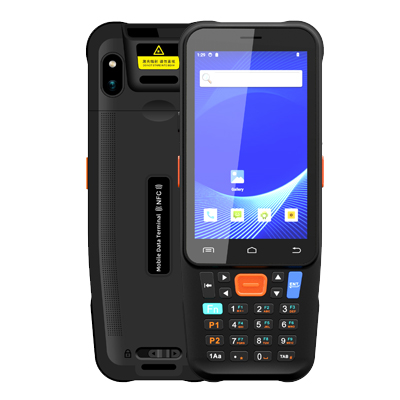
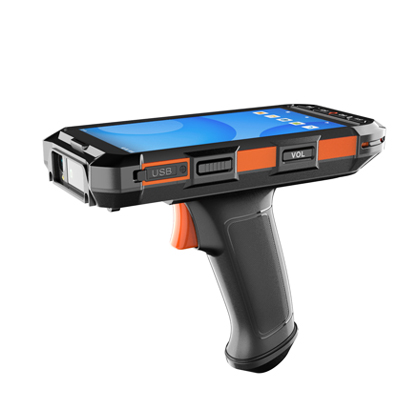
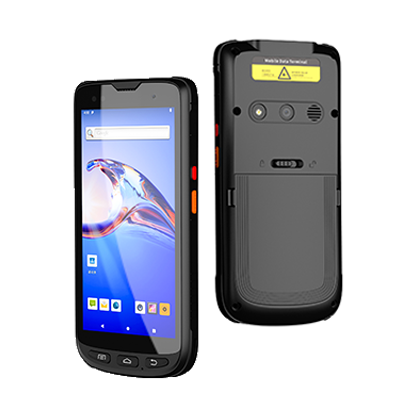
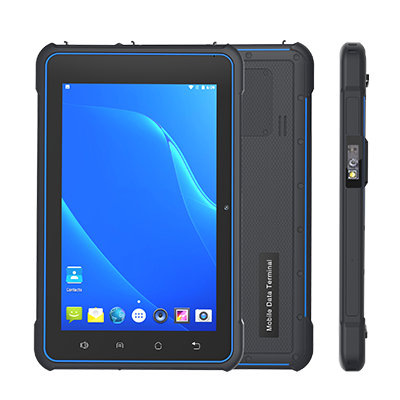
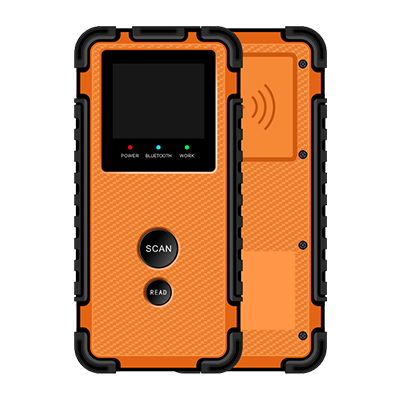
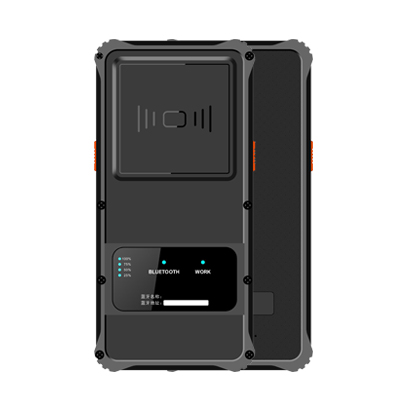
Solution: Tally clerks stationed at key railway junctions were equipped with UHF (Ultra-High Frequency) RFID handheld terminals capable of reading tags from ultra-long distances (over 20 meters).
Outcome: As trains slowly enter the plant, staff members can simply stand at a safe distance and use the handheld terminals to scan the passing railcar tags in batches with a single operation. Wagon numbers and entry times are automatically uploaded to the system, enabling instant reconciliation with railway freight manifests. This eliminates the old, hazardous practice of manually recording data with pen and paper beside the tracks, boosting in-plant inventory efficiency by over 80%.
3. Precise In-Plant Transfer Identification: Ensuring Continuous, Efficient Production
Steel production is a continuous, interconnected process. Blast furnaces require timely raw material feeding, and railcar dumpers demand precise unloading; any mismatch involving a single wagon can halt the production line.
Solution: Operators and dispatchers collaboratively use RFID handheld terminals at key transfer points, such as unloading lines, dumper houses, and finished product loading bays.
Results: Before unloading, handheld terminals verify wagon identities to ensure the "right material is unloaded into the right bin at the right time." During finished product loading, scanning wagons in conjunction with outbound orders eliminates errors such as incorrect or missed loading. High-frequency, high-precision identification establishes a solid foundation for efficient transfer operations, supporting the steel plant's 24-hour continuous production.
4. Collaborative Dispatch and Data Integration: Enhancing Management Precision
In the past, wagons became "black boxes" once they entered the plant, making it difficult for the dispatch center to track the exact location of a specific wagon in real-time.
Solution: On-site RFID handheld terminals connect wirelessly via plant Wi-Fi or 4G/5G networks to the steel plant's MES (Manufacturing Execution System), ERP, and railway dispatch systems for real-time data integration.
Results: Each scan by a handheld terminal updates the system's vehicle tracking and status data. The dispatch center's large display screen provides an immediate overview of each wagon's status (e.g., entered plant, awaiting unloading, or empty and awaiting departure). This level of precision management has increased in-plant wagon turnover rates by 25% and significantly reduced "demurrage charges" caused by wagon delays. 5. Equipment Maintenance and Anomaly Alerts: Mitigating Operational Risks
Given the long-term, high-load operation of railcars, the maintenance of critical components—such as axles and brake valves—is vital; operating with undetected defects can easily lead to major safety incidents, such as derailments.
Solution: Extend the use of RFID handheld terminals to the vehicle inspection and maintenance process. When an inspector scans a railcar tag with the device, the system instantly displays the car's "health profile" and maintenance history.
Outcome: If a railcar reaches its scheduled maintenance deadline or shows signs of potential past faults, the handheld terminal immediately issues a strong audible and visual alert—prompting action such as "immediate axle removal/inspection"—thereby nipping transportation safety risks in the bud.
Conclusion
The success of this steel plant demonstrates that RFID handheld terminals are not merely efficient scanning tools but serve as a "bridge" connecting the physical world of steel production with virtual digital systems. By implementing digital lifecycle management for railcars, the plant has achieved not only precision scheduling of rail operations but also a significant boost in the collaborative efficiency of the entire production chain.
7 * 24-hour service hotline
Room 702, Building 5, Gonglian Urban Intelligence Valley, No. 58, Ping'an Road, Guanlan Street,Longhua District, Shenzhen,China,518110
E-mail: info@hhw9.com